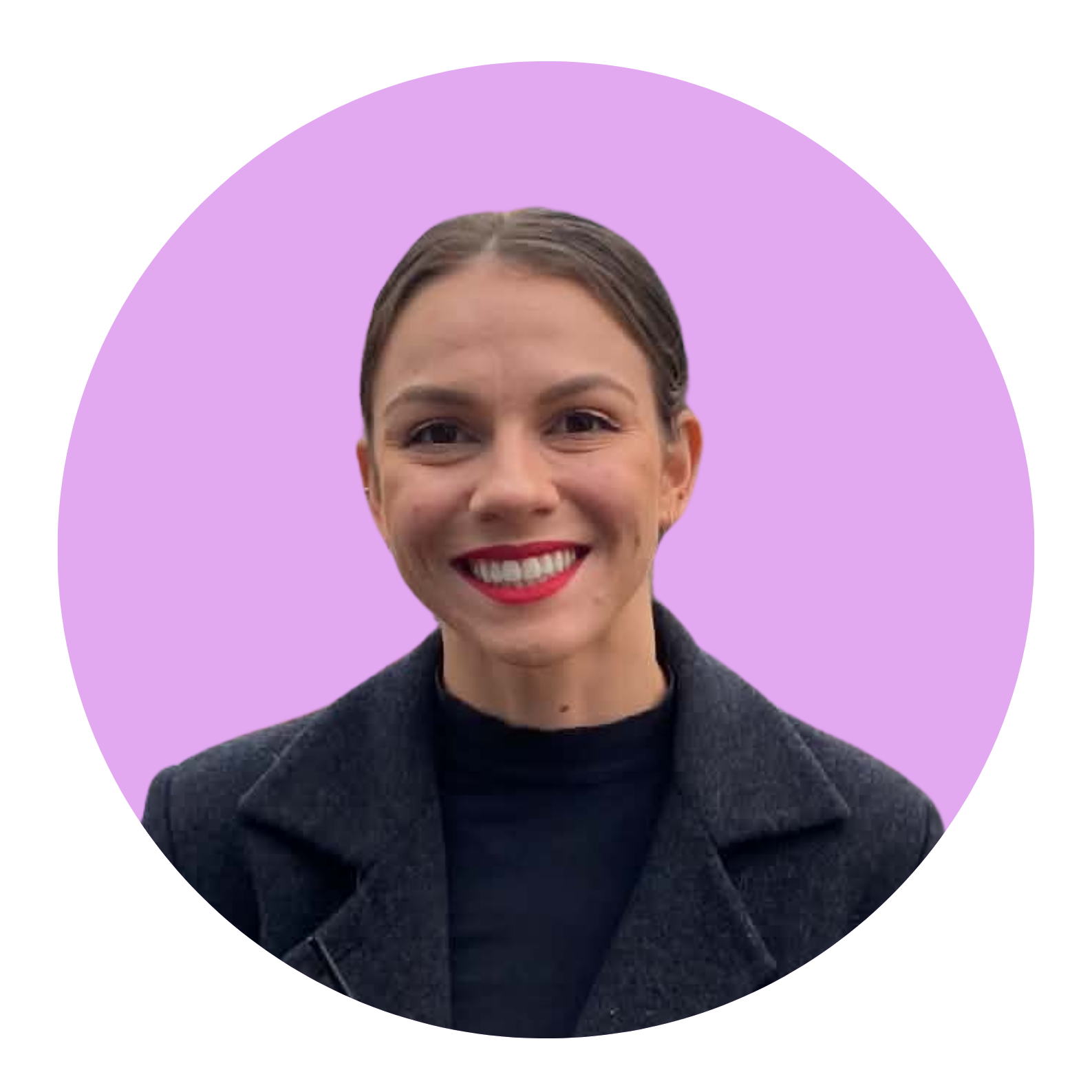
Hi, I’m Dimity.
I have spent many years working across disability, education and NDIS services, supporting and case managing individuals with a wide range of disabilities, support needs and communication profiles. I wear a few hats including Teacher of the Deaf, NDIS service provider, university lecturer, PhD researcher and Auslan–English interpreter.
These roles have given me experience understanding individual support needs, reviewing professional reports and evidence, coordinating across services, and seeing firsthand how disability can impact everyday life in very different ways for different people.
Why I started this service
People with disabilities, and their families, are often expected to explain complicated and deeply personal aspects of everyday life through applications, reviews, reports and planning processes.
But knowing your own experience and putting that experience into words are two very different things.
When support has become part of everyday life, it can be difficult to recognise just how much is being provided. Things like prompting, supervision, planning, communication support, emotional support, transport, advocacy or assistance with everyday tasks can become so routine that they aren't even thought of as “support”.
That's where I can help.
I take the time to understand your circumstances, ask the right questions and bring together your experiences and existing evidence into a statement that is clear, structured and genuinely reflects your situation.
My experience
I hold a Master of Inclusive Education and alongside my work as a teacher, I am now a university lecturer in the field of inclusive education. I am currently completing a PhD examining communication within support teams and how professionals work together when making decisions for people with complex support and communication needs.
My research background has given me considerable experience analysing information from multiple sources, identifying patterns and gaps in evidence, and bringing complex information together clearly. My professional roles have allowed me to apply those skills in real-world settings with individuals, families and support teams.
My approach
No two people's experiences of disability are the same, which means no two statements should be the same either.
My approach brings together:
Your experience (what everyday life actually looks like for you or the person you support)
Your evidence (relevant information contained within existing reports and supporting documents)
The details that can be easy to miss (the everyday assistance, adaptations and informal supports that may have become routine)
Clear communication (presenting complex information in a structured, specific and easy-to-understand way)
My role is to listen carefully, understand the whole picture and make sure the important parts of that story are communicated clearly.